Finding Connection and Purpose as an LPN
Posted On September 10,2026
This article is for people considering a practical nursing career who want meaningful work and opportunities to build relationships with patients. It explains how becoming an LPN can allow you to combine clinical skills with communication, compassion, and ongoing patient connections. The perspective reflects Athena Career Academy’s focus on preparing students for practical nursing careers.
You may be drawn to nursing because you want to help people. You may like learning practical skills, working in healthcare, and having a career where your work matters. But there is another part of nursing you may not fully appreciate until you experience it: the relationships you build with the people in your care.
Imagine seeing the same patient week after week. At first, you may know only their name and why they are there. Over time, you learn that they like talking about their grandchildren. You notice when they seem quieter than usual. You remember the things that make them smile.
Those details may not appear in a medical chart, but they can become an important part of how you care for someone.
If you want a career where helping people involves more than completing clinical tasks, becoming an LPN may give you that opportunity.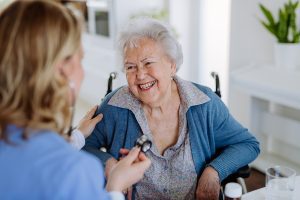
There Is a Difference Between Treating and Knowing
Good patient care involves more than addressing a medical need. You also have the opportunity to see the person behind that need.
A patient may arrive worried, uncomfortable, or uncertain about what comes next. A calm conversation can help them feel more at ease. Remembering something they told you during a previous visit can show that you listened.
You are still providing professional care, but your interactions can become more personal over time.
That connection can change how a patient experiences healthcare. Instead of feeling like another name on a schedule, they may feel recognized and understood.
Familiarity Can Help You Notice Changes
Getting to know your patients can also help you recognize when something seems different.
You may notice that a patient who is normally talkative has become unusually quiet. Perhaps someone who typically walks confidently now seems unsteady. A patient who normally follows their routine may suddenly seem confused or withdrawn.
Because you have learned what is normal for that person, changes may stand out more quickly. Your clinical training helps you respond appropriately and communicate concerns to the healthcare team.
Some Settings Give You More Time to Build Relationships
The amount of ongoing contact you have with patients can depend on where you work. Some LPN positions naturally provide more opportunities to develop relationships.
Long term care can allow you to see residents regularly and become familiar with their routines. Outpatient clinics may bring patients back for follow up visits and ongoing care. Home health can provide one on one interaction in a patient’s own environment.
Pediatric settings can also create meaningful connections with children and their families. As you see patients over time, you may become a familiar face who helps make healthcare visits feel less intimidating.
Trust Takes Time
Trust usually does not happen during one conversation. It develops through repeated interactions and consistent care.
As a patient gets to know you, they may become more comfortable asking questions or sharing concerns. Families may also come to rely on you as someone who understands their loved one’s needs.
That trust can be meaningful when a patient is going through a difficult period. Knowing that someone is listening can provide reassurance even when you cannot immediately solve the situation.
You may never know how much a few minutes of your attention meant to someone. A patient might remember the nurse who made them laugh during a difficult day or took time to listen.
Small Moments Can Have a Big Impact
Nursing can be busy. You may have plenty to accomplish during a shift, making it easy to think that major medical tasks are the moments that matter most.
Sometimes, it is something much smaller.
A friendly greeting can help a nervous patient relax. Remembering something important to them can make someone feel valued. Asking about something they mentioned previously can show that you paid attention.
These interactions do not replace your clinical responsibilities. They add another dimension to them.
You can use your nursing knowledge to provide appropriate care while also treating each patient as an individual.

Your Skills and Your Personality Both Matter
If you are considering an LPN career, you may be focused on whether you can learn the clinical skills required for nursing. Your education will give you the knowledge and hands on preparation you need to care for patients.
Your ability to listen, communicate, show patience, and treat people with respect matters too.
You do not have to be the most outgoing person in the room to connect with patients. Sometimes being a good listener is more valuable than having the perfect thing to say. A patient may appreciate simply knowing that you are willing to hear them.
That combination of clinical ability and human connection can give your work a deeper sense of purpose.
Build a Career That Feels Meaningful
If you want a healthcare career where you can make a difference in people’s lives, becoming an LPN may be a path worth exploring. Your work can involve medical knowledge and practical skills, but it can also involve conversations, trust, encouragement, and relationships that develop over time.
You may remember certain patients long after they leave your care. They may remember you too.
Athena Career Academy can help you build the foundation you need to begin your nursing career and discover where your skills and personality fit in healthcare. If you are ready to explore a career that combines patient care with genuine human connection, contact us today to learn more about its practical nursing program.