Small Classes Make a Big Difference in ECE Degree Programs
Posted On April 20,2026
Many adults considering an Early Childhood Education (ECE) degree worry about whether they will receive enough support to truly build the skills needed to work with young children. This is written for individuals balancing work, family, and other responsibilities while exploring ECE programs. The perspective reflects Athena Career Academy’s focus on small class sizes and hands-on learning. It explains how class size impacts confidence, skill development, and overall readiness, and why more personalized instruction can make a meaningful difference in preparing for a career in early childhood education.
You’re thinking about going back to school, but the reality of it gives you pause.
You’re already balancing work, responsibilities at home, and everything else life throws at you. The last thing you want is to spend your time and money in a program where you feel overlooked, unsure of what you’re doing, or not fully prepared when it’s over.
Working with young children isn’t something you can afford to just “figure out later.”
You need to know how to guide behavior, support development, and handle real situations with confidence. That kind of skill doesn’t come from just listening to lectures. It comes from practice, feedback, and being supported while you learn.
That’s why the size of your classes matters more than you might think.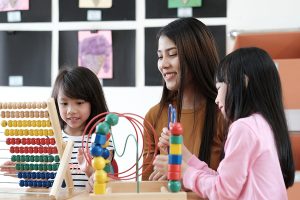
Getting Lost in the Crowd
A lot of education programs focus on delivering information, not making sure you actually understand it.
In large classes, instructors have limited time to work with each student. It’s easy to fall into the background, especially if you’re balancing work, family responsibilities, or coming back to school after time away.
You might find yourself wondering:
- Am I actually learning what I need to know?
- Will I be prepared to work with children in a real setting?
- What happens if I struggle with certain concepts or skills?
When you’re preparing for a career that directly impacts children’s development, those questions matter. In a crowded classroom, it’s hard to get the answers and support you need.
When Learning Feels Like Guesswork
Without individual attention, learning can start to feel uncertain.
You might understand the basics of child development, but not feel confident applying it. You might hear about developmentally appropriate practices, but not fully grasp how to use them in real-life situations.
That gap between knowing and doing is where many people get stuck.
And when it comes time to step into a classroom or childcare setting, that uncertainty follows you.
You second-guess yourself. You hesitate. You wonder if you’re really ready.
That’s not the position you want to be in when you’re responsible for guiding and supporting young children.
Learning in a Smaller, More Focused Environment
Small class sizes change the entire learning experience.
Instead of being one of many, you become someone your instructors actually know. They understand your strengths, where you need support, and how you learn best.
That kind of environment makes it easier to ask questions, get feedback, and build confidence as you go.
In an Early Childhood Education program, this matters even more because so much of what you learn is hands-on and interactive. You are not just sitting through lectures. You are actively practicing how to guide behavior in a positive way, create lesson plans that engage young learners, support children at different developmental stages, and communicate effectively with families and caregivers.
With smaller classes, you are not simply introduced to these concepts. You have the opportunity to work through them with guidance, ask questions, and build confidence as you develop these skills.
Why One-on-One Attention Makes a Real Impact
When instructors have the time to work with you individually, your learning becomes more personalized and more effective.
If something doesn’t click right away, you’re not left to figure it out on your own. You get the chance to revisit it, ask questions, and approach it from a different angle until it makes sense.
That kind of support builds confidence.
And confidence is key in early childhood education. You need to trust your ability to make decisions, guide children, and handle real-world situations as they come up.
Small classes create space for that growth.
Hands-On Learning That Actually Prepares You
Early childhood education is not a sit-back-and-listen kind of field.
You need to be comfortable interacting, leading, and adapting in real time.
That’s why hands-on learning is such a big part of effective ECE programs. And it’s also why smaller class sizes matter.
With fewer students, there are more opportunities to participate, practice, and receive feedback. You’re not waiting your turn or watching from the sidelines. You’re actively involved in the learning process.
Whether it’s working through classroom scenarios, planning activities, or practicing communication techniques, you’re building skills you’ll actually use on the job.
A Supportive Environment That Helps You Stay on Track
Going back to school or starting something new can feel overwhelming, especially if you’re juggling other responsibilities.
A smaller, more connected learning environment makes it easier to stay engaged and motivated.
You’re not just another name on a roster. You’re part of a group where people know you, support you, and want to see you succeed.
That includes both instructors and classmates.
Over time, that kind of environment can turn into a strong support system. One where you feel comfortable speaking up, asking for help, and pushing yourself to grow.
Building Relationships That Last Beyond the Classroom
One of the benefits people don’t always expect is the relationships they build along the way.
In smaller classes, it’s easier to connect with your peers. You’re learning together, solving problems together, and supporting each other through the process.
Those connections often last beyond graduation.
In a field like early childhood education, where collaboration and communication are key, having a network of people you trust can be incredibly valuable.
Better Learning Leads to Better Careers
At the end of the day, the goal isn’t just to complete a program.
It’s to be prepared.
Prepared to step into a classroom. Prepared to work with children and families. Prepared to handle the challenges that come with the job.
Small class sizes help make that possible by giving you the attention, support, and hands-on experience you need to build real confidence in your abilities.
Ready to Learn in an Environment That Supports You?
If you’re serious about building a career in early childhood education, the environment you learn in can shape how confident and prepared you feel when it’s time to step into the job. Smaller classes give you the space to learn, grow, and build confidence in what you’re doing so you’re not second-guessing yourself later.
If you’re ready to move forward, reach out today to learn more about how to enroll in Athena Career Academy’s Early Childhood Education degree program and find out how a more hands-on, supportive learning environment can help you build a career that fits.